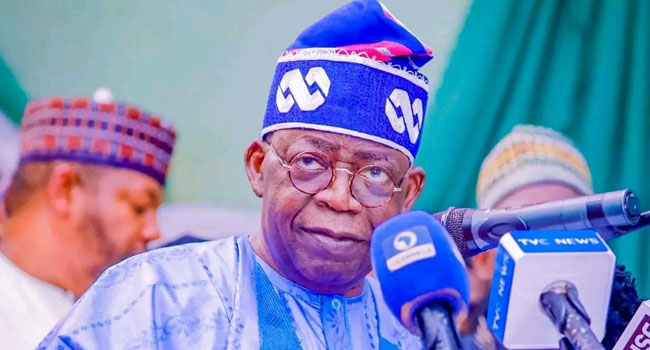
The economic roadmap executed under President Bola Ahmed Tinubu’s administration rests on structural reform. By removing the petrol subsidy and unifying the foreign exchange framework, the administration addressed systemic fiscal drains to unlock public capital for national infrastructure, human capital development, and targeted social safety programs.
Core Pillars of Economic Transformation
- Macroeconomic & Fiscal Policy:Structural FX reforms and fiscal adjustments expanded Federation Account Allocation Committee (FAAC) distributions to sub-national governments. This revenue trajectory supports capital investments in transport, power, and debt stabilization.
- Human Capital & Tertiary Access:The National Education Loan Fund (NELFUND) provides direct institutional loans and monthly upkeep allowances to students across public tertiary institutions, broadening access to higher education regardless of socioeconomic background.
- Labor Welfare & Purchasing Power: Raising the statutory national minimum wage from ₦30,000 to ₦70,000 provides direct wage protection for low-income workers navigating economic adjustments.
- Industrial Agriculture & Value Addition: Through the Special Agro-Industrial Processing Zones (SAPZ) program, the administration is shifting agriculture from raw commodity export toward domestic processing, rural industrialization, and value creation.
- National Security & Economic Stability: Priority funding for defense infrastructure and inter-agency security operations aims to safeguard farming communities, trade corridors, and investment hubs.
Strategic Policy Implications
| Sector | Baseline Challenges (Pre-Reform) | Strategic Reform Outcome | Long-Term Vision |
| Fiscal Management | Unsustainable subsidy bills & FX distortions | Subsidy removal & unified exchange market | Reinvested capital for national infrastructure |
| Education | High drop-out rates due to tuition constraints | NELFUND loan & upkeep disbursements | Democratized access to higher education |
| Labor Market | Stagnant baseline wages vs. living costs | ₦70,000 national statutory minimum wage | Indexed worker purchasing power |
| Agriculture | Raw export focus & processing deficits | SAPZ infrastructure & regional processing hubs | Agribusiness-led economic diversification |
“If thou faint in the day of adversity, thy strength is small.” — Proverbs 24:10
The administration’s vision asserts that structural reforms require policy stability and sustained execution to deliver broad-based prosperity, position domestic industries for international competitiveness, and complete Nigeria’s economic transformation.